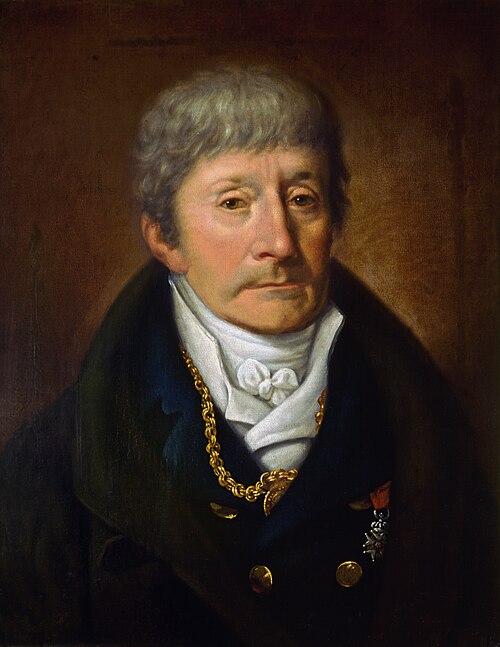
Composer
Antonio Salieri
Italian composer and teacher (1750–1825)
1750–1825
21 works in the index
- Born
- 1750
- Died
- 1825
- Birthplace
- Legnago
- Citizenship / historical state
- Austrian Empire
- Period (estimated from birth year)
- Classical
Biography
Antonio Salieri was born within the Republic of Venice, in the town of Legnago. His adult musical career – as teacher, conductor, and composer – occurred within and as a subject of the Hapsburg monarchy, and largely in its capital, Vienna. The pupils whom he tutored there included Ludwig van Beethoven and Franz Schubert. Salieri collaborated with Christoph Willibald Gluck on a French opera, Les Danaïde, which was first performed at the Paris Opera in April 1784. Gluck was an old man, and the fact of this collaboration shows that Salieri – the younger by 36 years – was held in high regard at this time. One musicologist, Edward Dent, has described the opera that resulted from this collaboration as possessing “a certain Italian elegance of outline which is Salieri’s [and] moments of intense dramatic effect and power.” Salieri’s renown in the 21st century is largely tied to a sentimental idea of his rivalry with and jealousy of Mozart, an idea at the heart of a Rimsky-Korsakov opera, a Peter Shaffer play, and a Hollywood movie.
In this catalogue
- Common listed instruments
- Organ, bass, Piano, strings, Alto
- Genres represented
- Classical
- Works with composition dates
- 3 of 21
These details describe the indexed sheet music, including arrangements.
Catalogue
Works
Years are composition dates where known. Instruments describe editions in our catalogue and may include arrangements. A dash means the detail is not recorded.
| Work | Year composed | Catalogue / opus | Key in title | Listed instruments | Genre | Editions |
|---|---|---|---|---|---|---|
| The Sounds of Italian | — | — | — | — | Classical | 5 |
| Les Danaïdes | 1784IMSLP | — | — | — | Classical | 3 |
| Geographical Origins | — | — | — | — | Classical | 4 |
| Tarare | 1787IMSLP | — | — | Orchestra | Classical | 2 |
| La Tempesta di Mare | — | — | — | Cello, bass | Classical | 2 |
| Herbei, ihr Bruder | — | — | — | Choir | Classical | 2 |
| Armida | 1771IMSLP | — | — | strings | Classical | 1 |
| Cantata 'Wie eine Purpurblume' | — | — | — | strings | Classical | 1 |
| 10 Var. La Stessa, | — | — | — | Piano | Classical | 1 |
| Overture | — | — | — | — | — | 1 |
| Scherzo for 4 | — | — | — | violin, Viola | — | 1 |
| Un bocconcin d'amante from La grotta di Trofinio | — | — | — | Piano, Voice | Classical | 3 |
| 26. Un bocconcin d'amante, from La Grotta di Trofonio | — | — | — | — | Classical | 1 |
| Key to the International Phonetic Alphabet for Italian | — | — | — | — | Classical | 1 |
| Un bocconcin d'amante | — | — | — | — | Classical | — |
| Sanctus | — | — | — | — | Classical | — |
| Requiem In C Minor | — | — | C minor | bass, Tenor, Alto | Classical | — |
| Scherzo fugato | — | — | — | Organ | — | 1 |
| Fuga: Tema di Diana | — | — | — | Organ | — | 1 |
| Fuga: Tema Kerscovschiano | — | — | — | Organ | — | 1 |
| Fuga: Tema del Signor Castelli | — | — | — | Organ | — | 1 |
Biographical record: Wikidata, matched on name and checked against dates held in the catalogue. The period label is an estimate from birth year. Authority record: VIAF 17408816. Portrait: Joseph Willibrord Mähler, Public domain, via Wikimedia Commons.