JustSheetMusic
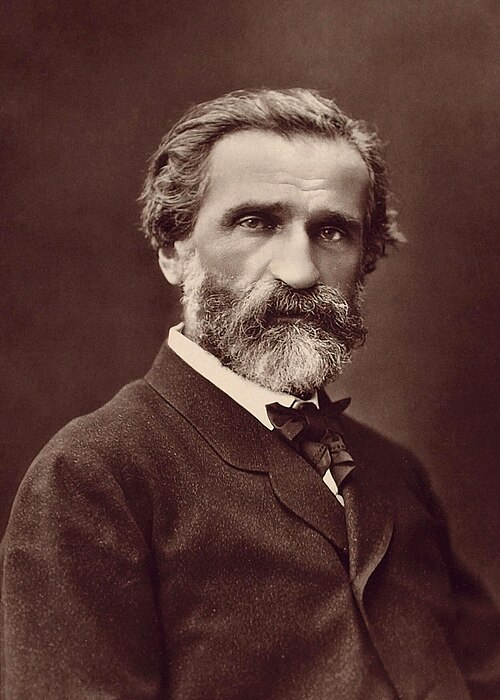
Portrait of Giuseppe Verdi

Composer

Giuseppe Verdi

1813–1901

2,449 works in the index

Born
1813
Died
1901
Birthplace
Le Roncole
Citizenship / historical state
Kingdom of Italy
Period (estimated from birth year)
Romantic

Biography

Verdi wrote for the voice above everything else, and his catalogue is dominated by opera — twenty-eight of them, plus the Requiem, which is an opera in all but name and staging.

Singers meet him through the aria anthologies rather than the full scores, and that is the right way in: a vocal score of Rigoletto is several hundred pages of which you may want four. The standard collections are published by voice type, and Verdi is unusually demanding about which — a role written for a spinto soprano does not suit a light lyric voice, whatever the notes look like on the page.

For everyone else there are the choruses, which choirs sing constantly and which are published as individual octavos. The one from Nabucco is effectively Italy's second national anthem and is available in more arrangements than any other chorus in the repertoire.

In this catalogue

Common listed instruments
Voice, Piano, Orchestra, Choir, Organ
Genres represented
Classical, pop, Pop, Folk, Children
Works with composition dates
41 of 2,449

These details describe the indexed sheet music, including arrangements.

Catalogue

Works page 26 of 52

Years are composition dates where known. Instruments describe editions in our catalogue and may include arrangements. A dash means the detail is not recorded.

Works and available sheet music details
WorkYear composedCatalogue / opusKey in titleListed instrumentsGenreEditions
Prelude to La Traviata - E-flat Alto Clarinet — —— —— —
Preludio for the act IV of La Traviata - Piano — —— —— —
Questa o quella per me pari sono from the opera Rigoletto - Score — —— —— —
Va Pensiero from the opera Nabucco - Full Score — —— —— —
Va Pensiero from the opera Nabucco - Preface — —— —— —
Grand March from Aida - Organ Score — —— —— —
Il Trovatore - Anvil Chorus — —— —— 0
Rigoletto, May in Venice — —— —— —
The Anvil Chorus — —— —— —
Prelude, No. 15 from "La Traviata", Act 3 - Full Score — —— —— —
Che è ciò?, No. 4 from "La Traviata", Act 1 - Full Score — —— —— —
Madamigella Valery?, No. 8 from "La Traviata", Act 2 - Full Score — —— —— —
Noi siamo zingarelle, No. 12a from "La Traviata", Act 2 - Full Score — —— —— —
Messa da Requiem: No. 11. Domine Jesu — —— —— —
La Traviata, Act 1, No. 5, Stretta and Introduction. "Si ridesta in ciel l'aurora" — —— —— —
La Traviata, Act 2, No. 11, Scena. "Avrem lieta di maschere la notte" — —— —— —
La Traviata, Act 3, No. 17, Bacchanal Chorus. "Largo al quadrupede" — —— —— —
La forza del destino, Act 1, No. 3, Recit. and Romance. "Temea restasse" and "Me pellegrina ed orfana" — —— —— —
La forza del destino, Act 2, No. 8a, Prayer. "Padre Eterno, Signor" — —— —— —
La forza del destino, Act 3, No. 14, Scena and Romance. "Attenti al gioco", "La vita è inferno", "Oh, tu che in seno agl'angeli" — —— —— —
La forza del destino, Act 3, No. 20a, Chorus and Stanzas. "Lorchè pifferi e Tamburri" — —— —— —
La forza del destino, Act 3, Nos. 20d and 20e, Chorus. "Pane, pan per carità" and "Che vergogna!" — —— —— —
La forza del destino, Act 4, Nos. 25a and 25b, Scene. "Giunge gualcun" and "Siete il portiere?" — —— —— —
Messa da Requiem: No. 8. Ingemisco — —— —— —
La Donna e Mobile - Trombone — —— —— —
Prelude to La Traviata - Score — —— —— —
Prelude to La Traviata - B-flat Bass Clarinet — —— —— —
Coro di zingarelle from La Traviata - Piano — —— —— —
La vergine degli angeli from La Forza del Destino - Piano — —— —— —
Caro nome che il mio cor from the Opera Rigoletto - Score — —— —— —
La donna è mobile from the opera Rigoletto - Score — —— —— —
Va Pensiero from the opera Nabucco - Accordion 1 — —— —— —
Grand March from Aida - Set of Parts — —— —— —
Hebrew Slaves Chorus - from "Nabucco" - Flute — —— —— —
La Traviata, Act 1, No. 3: "Libiamo, ne'lieti calici" - Brindisi - From "La Traviata" — —— —— —
Prelude, No. 1 from "La Traviata" - Full Score — —— —— —
Il Trovatore - Anvil Chorus - From "Il Trovatore" — —— —— —
Dell'invito trascorsa è già l'ora, No. 2 from "La Traviata", Act 1 - Full Score — —— —— —
Annina? Comandate?, No. 16 from "La Traviata", Act 3 - Full Score — —— —— —
Messa da Requiem: No. 12. Sanctus — —— —— —
La Traviata, Act 1, No. 6, Recit. and Air. "Ah, fors'è lui che l'anima" — —— —— —
La Traviata, Act 2, No. 12, Chorus of Gypsies. "Noi siamo zingarelle" — —— —— —
La Traviata, Act 3, No. 18, Recit. and Duet. "Parigi, o cara, noi lasceremo" — —— —— —
La forza del destino, Act 1, No. 4, Scena and Duet. "Ah! per sempre" and "Seguirti fino agl'ultimi" — —— —— —
La forza del destino, Act 2, No. 8b, Scena. "Viva la buona compagna" — —— —— —
La forza del destino, Act 3, Nos. 15a and 15b, Scene and Duet. "Al tradimento", "Amici in vita e in morte" — —— —— —
La forza del destino, Act 3, Nos. 20b and 20c, Scene and Aria. "Qua, vivandiere, un sorso" and "A buon mercato" — —— —— —
La forza del destino, Act 3, No. 21a, Chorus-Tarantella. "Nella guerra, è la follia" — —— —— —

Biographical record: Wikidata, matched on name and checked against dates held in the catalogue. The period label is an estimate from birth year. The biography above is our own. Authority record: VIAF 22329110. Portrait: Ferdinand Mulnier, Public domain, via Wikimedia Commons.