JustSheetMusic
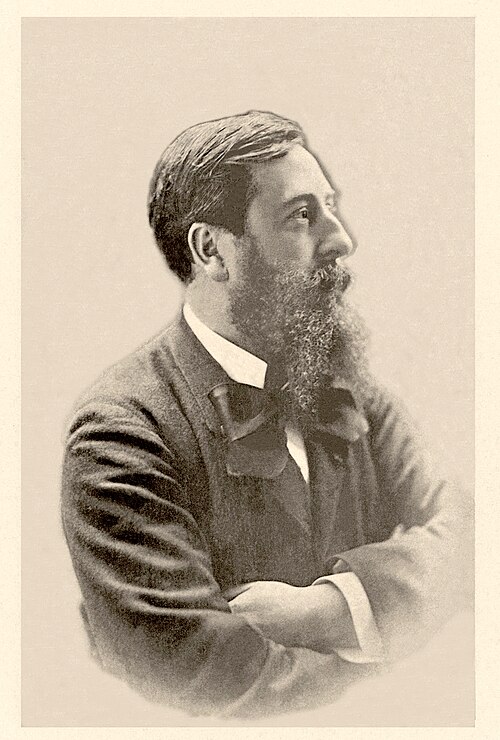
Portrait of Léo Delibes

Composer

Léo Delibes

French composer (1836–1891)

1836–1891

145 works in the index

Born
1836
Died
1891
Birthplace
La Flèche
Citizenship / historical state
France
Period (estimated from birth year)
Romantic

Biography

Léo Délibes, a composer of memorable works for both ballet and opera, was born near Le Mans, France, the son of a postal official. He made his first mark upon the musical world through operetta, at the Folies-Nouvelle, a theater run by Florimond Ronger. Deux Sous de Charbon, “Two Pennies of Coal,” produced in 1856, was the first of his efforts in that line.

In 1866 Délibes collaborated with Ludwig Minkus in creating the music for the ballet La Source (The Spring), with choreography by Arthur Saint-Léon. Délibes contributed the score for Act 2 and for the first scene of Act 3. The critics considered these the choicest parts of the whole, and Délibes’ career entered a new phase.

Sylvia is probably his masterwork. This ballet premiered in Paris in 1876. Though Sylvia fell into obscurity for decades, the Royal Ballet in London revived it in 1952 as a vehicle for Margot Fonteyn.

In this catalogue

Common listed instruments
Piano, Mandolin, Orchestra, violin, Harp
Genres represented
Classical, pop, Romantic
Works with composition dates
8 of 145

These details describe the indexed sheet music, including arrangements.

Catalogue

Works page 2 of 4

Years are composition dates where known. Instruments describe editions in our catalogue and may include arrangements. A dash means the detail is not recorded.

Works and available sheet music details
WorkYear composedCatalogue / opusKey in titleListed instrumentsGenreEditions
Flower Duet (from Lakmé): Oboe — —— —— 1
Flower Duet (from Lakmé): Bassoon — —— —— 1
March and Procession of Bacchus: Piccolo — —— —— 1
March and Procession of Bacchus: 1st & 2nd Oboe — —— —— 1
March and Procession of Bacchus: 1st & 2nd F Horns — —— —— 1
March and Procession of Bacchus: 3rd & 4th F Horns — —— —— 1
March and Procession of Bacchus: 3rd Trombone — —— —— 1
March and Procession of Bacchus: String Bass — —— —— 1
March and Procession of Bacchus: Drums — —— —— 1
Good Morning, Sue — —— Piano, Clarinet— 1
March et Cortege de Bacchus — —— Horn, Trombone, Tuba— 1
Duet from Lakme — —— Horn, Trombone, Tuba— 2
Sylvia — —— —— —
The Maids of Cadiz (les Filles de Cadix) — —— —— —
"Sous le dome epais, Flower Duet, from Lakme" — —— —— 1
Pizzicato (Sylvia Ballet) — —— —— —
Pizzicato Polka — —— —— 15
Pizzicato (Sylvia) — —— —— 7
The Flower Duet (Lakme) — —— —— 6
Russian Sailors — —— violin— —
1. Pas de Echarpes — —— Piano, Harp— —
2. Scene d'Amour — —— Piano, Harp— —
3. Variation — —— Piano, Harp— —
4. Danse Circassienne — —— Piano, Harp— —
Valse Lente — —— Guitar— —
Country Gardens — —— Mandolin— —
Sourwood Mountain — —— Mandolin— —
Crawdad Song — —— Mandolin— —
Liberty — —— Mandolin— —
Miss Mccloud's Reel — —— Mandolin— —
March Of Bacchus — —— Horn, Trombone, Tuba— —
Pizzicati, from "Sylvia" — —— —— —
Valse Lente, from "Soppelia" — —— Piano— —
Pizzicato Polka from the ballet Sylvia — —— —— —
Mazurka and Waltz — —— Clarinet— —
Barcarolle — —— PianoClassical —
Les Filles De Cadiz — —— —— —
The Flower Duet (Lakme) [Delibes, Leo] — —— —— —
Pizzicato Polka (from the ballet Sylvia): 1st Violin — —— —— —
Pizzicato Polka (from the ballet Sylvia): 2nd Violin — —— —— —
Pizzicato Polka (from the ballet Sylvia): Viola — —— —— —
Pizzicato Polka (from the ballet Sylvia): Cello — —— —— —
Pizzicato Polka (from the ballet Sylvia): String Bass — —— —— —
Pizzicato Polka (from the ballet Sylvia): Score — —— —— —
Pizzicato Polka (from the ballet Sylvia): 3rd Violin (Viola ) — —— —— —
Flower Duet (from Lakmé): Score — —— —— —
March of Bacchus (from the ballet Sylvia): Piano Accompaniment — —— —— —
Pizzicati from "Ballet Sylvia" — —— —— 1

Biographical record: Wikidata, matched on name and checked against dates held in the catalogue. The period label is an estimate from birth year. Authority record: VIAF 29641114. Portrait: Unidentified photographer, Public domain, via Wikimedia Commons.