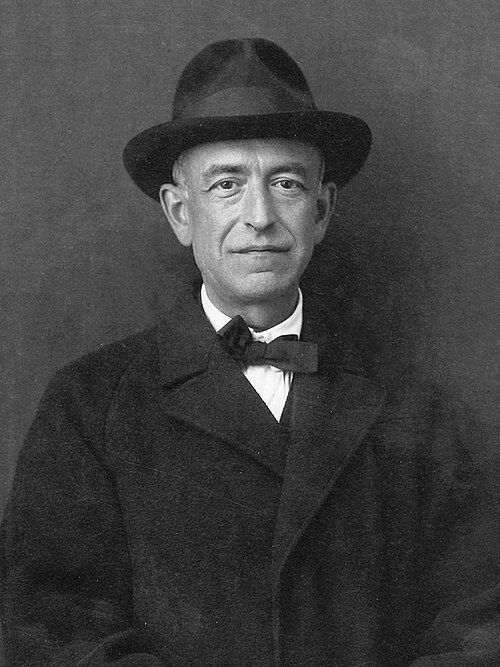
Composer
Manuel de Falla
Spanish composer (1876–1946)
1876–1946
152 works in the index
- Born
- 1876
- Died
- 1946
- Birthplace
- Cádiz
- Citizenship / historical state
- Spain
- Period (estimated from birth year)
- Modern
Biography
De Falla decided that music was his “definitive vocation” in 1893, under the immediate inspiration of a performance of the works of Edvard Grieg. In 1896 he moved to Madrid, and attended the Real Conservatorio de Música there. He developed his own theory of resonance, what one biographer calls “an enormously rich and complex system of harmonic superpositions,” and he became the outstanding figure of musical modernism in Spain. Among his best known works are “Wicked Love,” a ballet (1915); “Nights in the Gardens of Spain,” a nocturne for piano and orchestra (1916); and “The Three-Cornered Hat,” also a ballet (1917). He also composed “Harpsichord Concerto,” the first concerto created in the 20th century with the harpsichord specifically in mind, a work he composed under the influence of that instrument’s great advocate, Wanda Landowska. The Archivo Manuel de Falla, created in March 1991, may be found in Granada: it has become the Mecca for all serious researchers into his life and work.
In this catalogue
- Common listed instruments
- Piano, Orchestra, violin, Cello, Voice
- Genres represented
- Classical
- Works with composition dates
- 21 of 152
These details describe the indexed sheet music, including arrangements.
Catalogue
Works page 2 of 4
Years are composition dates where known. Instruments describe editions in our catalogue and may include arrangements. A dash means the detail is not recorded.
| Work | Year composed | Catalogue / opus | Key in title | Listed instruments | Genre | Editions |
|---|---|---|---|---|---|---|
| Allegro De Concierto | — | — | — | Piano | Classical | 3 |
| Second Spanish Dance | — | — | — | Piano | Classical | 3 |
| Segunda Danza Espanola | — | — | — | Piano | Classical | 3 |
| Andaluza | — | — | — | Piano | Classical | 2 |
| Aragonesa | — | — | — | Piano | Classical | 2 |
| Four Spanish Pieces | — | — | — | — | Classical | 1 |
| Aragonesa No. 1 from "Four Spanish Pieces", G37 | — | — | — | — | Classical | 1 |
| Cubana No. 2 from "Four Spanish Pieces", G37 | — | — | — | — | Classical | 1 |
| Seven Popular Spanish Songs | — | — | — | Piano, Vocal | Classical | 1 |
| La vida breve: Acto II. Danza española | 1904-13IMSLP | — | — | Piano, Vocal, Orchestra | Classical | 13 |
| 3 Mélodies | 1909-10IMSLP | — | — | Voice | Classical | 1 |
| Nocturno | 1896IMSLP | — | — | Piano | Classical | 2 |
| Chinoiserie | — | — | — | Piano, Organ, Voice | Classical | 1 |
| El Pan De Ronda Que Sabe A Verdad | — | — | — | Piano, violin | Classical | 0 |
| Preludios | — | — | — | Piano, violin, Voice | Classical | 1 |
| Mazurka | — | — | — | Piano | Classical | 2 |
| First Spanish Dance | — | — | — | Piano | Classical | 2 |
| Canto de los remeros del Volga | — | — | — | Piano | Classical | 2 |
| El pa?o moruno | — | — | — | Piano, Cello | Classical | 1 |
| 4. The Corregidor | — | — | — | Piano, Harp, Timpani, percussion | Classical | 4 |
| 5. The Miller's Wife | — | — | — | Piano, Harp, Timpani, percussion | Classical | 3 |
| 1. The Neighbors' Dance | — | — | — | Piano, Harp, Cello, Timpani, percussion | Classical | 1 |
| Cubana | — | — | — | Piano | Classical | 0 |
| Dance Du Meunier | — | — | — | Harp | Classical | 2 |
| Spanish Dance No. 1 | — | — | — | Piano, violin | Classical | 1 |
| Andaluza No. 4 from | — | — | — | — | Classical | 1 |
| Montañesa No. 3 from "Four Spanish Pieces", G37 | — | — | — | — | Classical | 1 |
| El sombrero de tres picos: Parte II. Danza del molinero (Farruca) | — | — | — | Piano | Classical | 2 |
| El Amor Brujo / L'Amour Sorcier (Love the Magician) | — | — | — | — | — | — |
| Seven Spanish Folksongs | — | — | — | — | — | — |
| Fantasia Baetica | — | — | — | — | — | 0 |
| Homenaje (Hommage à Debussy) | — | — | — | — | — | 0 |
| Noches en los Jardines de España (Nights in the Gardens of Spain) | — | — | — | — | — | — |
| La Vida Breve / La Vie Breve (Life is Short) | — | — | — | — | — | — |
| Asturiana | — | — | — | — | — | — |
| Cancion | — | — | — | — | — | — |
| Nana | — | — | — | — | — | 0 |
| Ritual Fire Dance | — | — | — | — | — | 0 |
| Ritual Fire Dance (El Amor Brujo) (arr. Paul Kochanski) | — | — | — | — | — | 0 |
| Dios Mio Que Solos Se Quedan Los Muertos | — | — | — | Piano, violin, Voice | Classical | 0 |
| The Fisherman's Story/The Magic Circle | — | — | — | Piano | Classical | 2 |
| Danse du meunier / The Miller's Dance | — | — | — | — | — | — |
| Cortejo de gnomos | — | — | — | Piano | Classical | 1 |
| Dance of the Miller (Danza del Molinero) | — | — | — | — | — | — |
| Canci?n | — | — | — | Piano, Cello | Classical | — |
| 2. Afternoon | — | — | — | Piano, Harp, Timpani, percussion | Classical | 3 |
| 6. The Grapes | — | — | — | Piano, Harp, Timpani, percussion | Classical | 3 |
| 2. The Miller's Dance | — | — | — | — | — | — |
Biographical record: Wikidata, matched on name and checked against dates held in the catalogue. The period label is an estimate from birth year. Authority record: VIAF 42025164. Portrait: Archivo Manuel de Falla, Public domain, via Wikimedia Commons.