Composer
Franz Schubert
1797–1828
6,176 works in the index
- Born
- 1797
- Died
- 1828
- Birthplace
- Himmelpfortgrund
- Citizenship / historical state
- Archduchy of Austria
- Period (estimated from birth year)
- Romantic
Biography
Schubert wrote over six hundred songs before dying at thirty-one, and it is the songs that dominate this catalogue. If you sing, this is the central repertoire; if you accompany, the piano parts are full partners rather than support, and considerably harder than they sound.
The song cycles — Die schöne Müllerin, Winterreise, Schwanengesang — are published complete and in high, medium and low keys. Buying the wrong transposition is the standard mistake here, because the cycles sit in a range that punishes guessing.
For pianists the Impromptus and Moments musicaux are the accessible way in, and the four-hand duets are among the best music written for two people at one instrument. The late sonatas are enormous and are not a place to start.
In this catalogue
- Common listed instruments
- Piano, Voice, Low Voice, violin, Clarinet
- Genres represented
- Classical, pop, Pop, Jazz, Children
- Works with composition dates
- 322 of 6,176
These details describe the indexed sheet music, including arrangements.
Catalogue
Works page 21 of 129
Years are composition dates where known. Instruments describe editions in our catalogue and may include arrangements. A dash means the detail is not recorded.
| Work | Year composed | Catalogue / opus | Key in title | Listed instruments | Genre | Editions |
|---|---|---|---|---|---|---|
| An die Sonne, D.272 | 1815IMSLP | D.272 | — | voice piano | Classical | 3 |
| Andantino from the opera Sakontala | 1820–21IMSLP | — | — | — | Classical | 3 |
| Andenken, D.99 | 1814 (April)IMSLP | D.99 | — | voice piano | Classical | 4 |
| 6 Antiphons for Palm Sunday, D.696 (Op.113) | 1820 (March)IMSLP | D.696; Op.113 | — | — | Classical | 3 |
| Aria and Duet for Hérold's opera 'Das Zauberglöckchen', D.723 | 1821IMSLP | D.723 | — | — | Classical | 4 |
| Atys, D.585 | 1817IMSLP | D.585 | — | Piano, Voice, voice piano | Classical | 3 |
| Auf den Tod einer Nachtigall, D.399 (2nd setting) | 1816IMSLP | D.399 | — | voice piano | Classical | 4 |
| Augenlied, D.297 | 1817 Spring (?) (1st version)IMSLP | D.297 | — | Piano, Voice, voice piano | Classical | 4 |
| Aus 'Heliopolis' (II), D.754 | 1822 (April)IMSLP | D.754 | — | voice piano | Classical | 3 |
| Bardengesang, D.147 | 20 January 1815IMSLP | D.147 | — | — | Classical | 3 |
| Bei dem Grame Meines Vaters, D.496 | 1816 (November)IMSLP | D.496 | — | voice piano | Classical | 3 |
| Der blinde Knabe, D.833 (Op.101 No.2) | 1825 April (1st and 2nd versions)IMSLP | D.833; Op.101 No.2 | — | voice piano | Classical | 9 |
| Bootgesang, D.835 (Op.52 No.3) | 1825IMSLP | D.835; Op.52 No.3 | — | — | Classical | 5 |
| Die Bürgschaft (Unfinished Opera), D.435 | 1816 (unfinished)IMSLP | D.435 | — | — | Classical | 3 |
| Die Bürgschaft, D.246 | 1815IMSLP | D.246 | — | Piano, Voice, voice piano | Classical | 2 |
| Cantate zur Namensfeier des Vaters, D.80 | 1813-9-27IMSLP | D.80 | — | Guitar, bass | Classical | 3 |
| Claudine von Villa Bella, D.239 | 1815 (unfinished)IMSLP | D.239 | — | — | Classical | 3 |
| Dances, early versions | — | — | — | — | Classical | 3 |
| Das Abendrot, D.627 (Op.173 No.6) | 1818 (November)IMSLP | D.627; Op.173 No.6 | — | voice piano | Classical | 3 |
| Das Bild, D.155 (Op.165 No.3) | 1815/02/11IMSLP | D.155; Op.165 No.3 | — | voice piano | Classical | 4 |
| Das Echo, D.868 | 1826? or 1826-28?IMSLP | D.868 | — | voice piano | Classical | 8 |
| Das Geheimnis (2nd setting), D.793 (Op.173 No.2) | 1823 (May)IMSLP | D.793; Op.173 No.2 | — | voice piano | Classical | 4 |
| Das Geheimnis, D.250 | 1815 August 7IMSLP | D.250 | — | voice piano | Classical | 3 |
| Das Sehnen, D.231 (Op.172 No.4) | 1815 (8 July)IMSLP | D.231; Op.172 No.4 | — | voice piano | Classical | 4 |
| Das Weinen, D.926 | 1827-28IMSLP | D.926 | — | voice piano | Classical | 4 |
| Gesänge zur Feier des heiligen Opfers der Messe | 1827 Summer or early FallIMSLP | — | — | — | Classical | 3 |
| 5 'Deutsche Tänze' with Coda and 7 Trios for String Quartet, D.90 | 1813/11/19IMSLP | D.90 | — | — | Classical | 3 |
| Ecossaise, D.158 | — | D.158 | — | Piano | Classical | 5 |
| Ecossaises, D.421 | — | D.421 | — | Piano | Classical | 3 |
| 20. Die Nacht: Wie schon bist du, freundliche Stille | — | — | — | Choir | Classical | 5 |
| Die Allmacht | — | — | — | Piano, Voice, percussion, Low Voice | Classical | 2 |
| 9. Erlafsee | — | — | — | Piano, Voice, Low Voice | Classical | 11 |
| 17. Im Haine | — | — | — | Piano, Low Voice | Classical | 13 |
| 22. Liebe schwamt auf all Wegen | — | — | — | — | Classical | 6 |
| Die Lotosblume | — | — | — | — | Classical | 3 |
| Der Nussbaum | — | — | — | — | Classical | 3 |
| Du Bist Wie Eine Blume (Thou'rt like unto a Flower) (Rubinstein) | — | — | — | — | Classical | 7 |
| Nun Wandre, Maria | — | — | — | — | Classical | 2 |
| Heimliche Aufforderung | — | — | — | — | Classical | 4 |
| Hedge Rose | — | — | — | Low Voice | Classical | 5 |
| Botschaft (The Message) | — | — | — | — | Classical | 4 |
| O Komme, Holde Sommernacht | — | — | — | — | Classical | 2 |
| Tod, Das Ist Die Kuhle Nacht | — | — | — | — | Classical | 3 |
| Wie Melodien Zieht Es Mir | — | — | — | — | Classical | 3 |
| An den Tod | — | — | — | Piano, Voice, Low Voice | Classical | 3 |
| Heliopolis II | 1822Wikidata | — | — | Low Voice | Classical | 7 |
| Herbst | 1828Wikidata | — | — | Piano, Low Voice | Classical | 10 |
| Klaglied | 1812Wikidata | — | — | Low Voice | Classical | 5 |
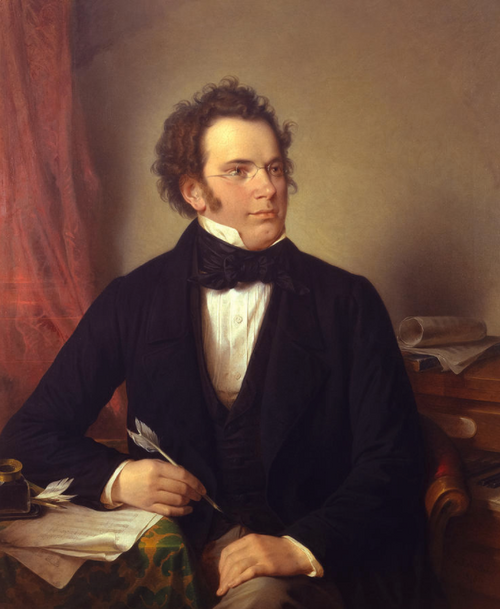
Biographical record: Wikidata, matched on name and checked against dates held in the catalogue. The period label is an estimate from birth year. The biography above is our own. Authority record: VIAF 48146998424018940534. Portrait: Wilhelm August Rieder, Public domain, via Wikimedia Commons.